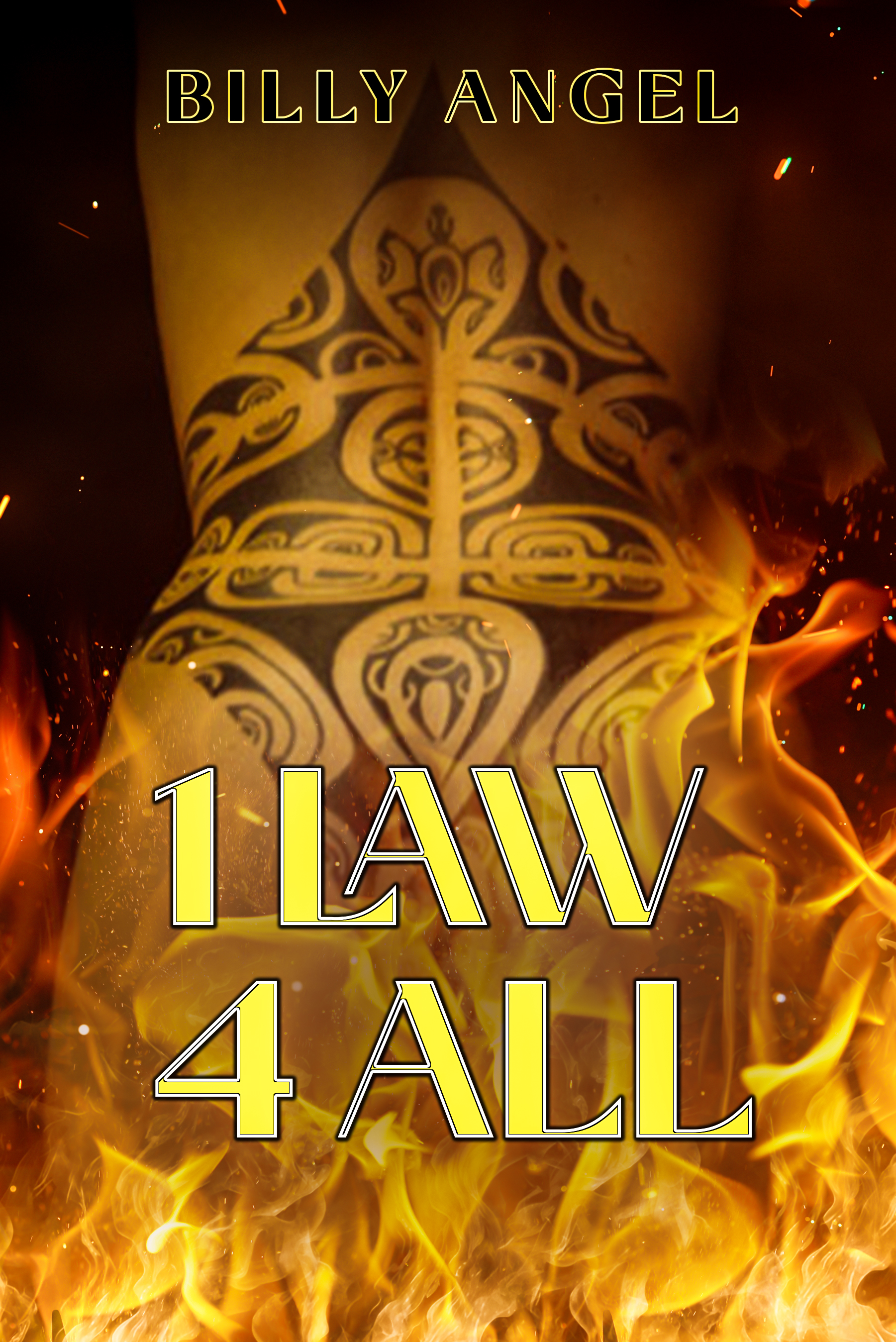
1 Law 4 All
by Billy Angel · 320 pages
A young Samoan woman whose family was murdered by a corrupt corporation teams with a retired lawyer and law students to expose a deadly conspiracy linking a powerful US Senator to asbestos cover-ups and arson.
Synopsis
AI Pitch Package
For producers, scouts & managers
Logline
After a corrupt Senator and an asbestos conglomerate order the arson that kills her family in American Samoa, survivor Kitiona Tuafa teams with a retired lawyer and four law students in San Francisco to expose them before hired assassins find her.
Short synopsis
Kitiona Tuafa's high school science project exposed the lethal asbestos at Motorhead, the American Samoa brake-adhesive plant owned by Amerastar Corporation. Her father Patea, a union organizer, pushed for safer conditions and a union. Amerastar's CEO and his secret wife, Senator Bonni Giardina, answered by hiring mercenaries to burn the Tuafa home, killing Patea, his wife, his son and Kitiona's cousin. Kitiona, away getting a traditional tattoo, survives. She proves arson through New Zealand fire experts, follows the money to Amerastar's San Francisco headquarters, and goes underground in the Tenderloin. A retired attorney and a circle of law students join her as a husband-and-wife hit team arrives from Los Angeles. The question is whether the truth can surface before she is killed.
Extended synopsis
Why it adapts
The story has two interlocking tracks, a fire investigation in Samoa and a legal and political conspiracy in San Francisco, plus a sizable ensemble. That is too much for two hours but right for a contained 6-8 episode arc. A limited series gives room for a cold-open arson, the forensic and legal procedural, and cat-and-mouse thriller beats, and it ends cleanly on the accountability payoff.
Adults 25-54, skewing female and multicultural, plus the 'issue thriller' crowd that watches legal and corporate-conspiracy dramas. Their viewing includes Dopesick, Painkiller, Anatomy of a Scandal, The Lincoln Lawyer, Dark Waters, Erin Brockovich-style underdog stories, and political thrillers such as The Morning Show and Gaslit. There is added appeal to Pacific Islander and Asian American audiences, who are rarely centered in prestige thrillers.
Adaptation Readiness Score
76 / 100
- A fresh, underrepresented protagonist: Kitiona is a Samoan-Eurasian survivor who investigates with the scientific method. Her cultural specificity, including the traditional tattoo that kept her out of the house the night of the fire, gives casting and marketing a distinctive entry point.
- A pitch-ready, ripped-from-the-headlines hook: corporate asbestos cover-up, a corrupt Senator secretly married to the CEO, arson, and mob muscle. It sits in the same space as Erin Brockovich, Dark Waters, and The Good Fight, and it sells in a single sentence.
- Strong limited-series architecture: parallel storylines (Kitiona and her allies, the Senator and the mob, the corporate board) and a ticking-clock hunt by the Winebush assassins. The material suits an ensemble, episodic procedural-thriller structure with a clear reveal ladder.
- The ensemble is wide: Ben, Mac, Jimmy, Carol, and Juan risk blurring together. The law students in particular need individual wants, flaws, and arcs to earn their screen time alongside Kitiona.
- The antagonists (Giardina, Wooster, Venuti) read as archetypal, and the synopsis suggests the legal and legislative machinery may be explained rather than dramatized. Villains with human texture, plus courtroom or hearing scenes built on conflict, would raise the stakes.
- The investigation and legal-strategy beats risk feeling procedural. The back half, which moves toward media, legal action, and accountability, may resolve more through exposition than through a tense, visual climax.
- First Class Fool: A Solo Traveller’s Survival Guide by Steve Barker
- Brother Against Brother Civil War by Steven D. Shepard
- Arsenal Code R.E.D. by Roger A. Jetter
- Squeak's Incredible Adventure by Steve Barker